Tightrope Britannica has long stood as a trusted gateway to understanding one of humanity’s most daring and poetic performance arts, offering readers a clear and inspiring look at how walking a suspended rope became both a cultural tradition and a symbol of courage. From ancient civilizations to modern performance stages, this practice has continued to fascinate people across the world, blending physical precision with emotional storytelling in a way few other arts can match.
The beauty of tightrope walking lies in its contradiction. It is both extremely fragile and incredibly strong, both risky and controlled. When someone steps onto a thin line high above the ground, the audience does not just see a performer; they witness a living metaphor for balance, discipline, and resilience. That is exactly why authoritative knowledge platforms have dedicated such careful attention to documenting their roots, techniques, and evolution.
The ancient origins of a daring performance
Long before modern theaters and circuses existed, people were already fascinated by the idea of balancing on narrow surfaces. Early forms of tightrope walking can be traced back to ancient China, where rope walking was practiced during festivals and military training. Performers demonstrated balance and agility not only for entertainment but also to show physical mastery that symbolized spiritual control.
In parts of ancient Greece and Rome, similar acts appeared in public celebrations. These early rope walkers were often viewed as skilled athletes rather than entertainers alone. Their ability to maintain control over their bodies while exposed to danger made them admired figures. Over time, this skill slowly moved from a ritualistic or martial context into one of performance and spectacle.
As trade routes expanded and cultures mixed, the art spread across continents. Each society added its own flavor, costumes, and symbolic meaning. This slow global evolution is one of the reasons why tightrope walking is such a rich subject for historical and cultural study today.

How encyclopedic knowledge shaped public understanding
When reference works began to systematically document the arts, tightrope walking finally gained a place in formal knowledge. Resources like tightrope Britannica helped transform what many people saw as just a circus trick into a serious discipline with deep historical roots.
By recording terminology, notable performers, and technical principles, encyclopedias gave legitimacy to the craft. Readers could learn that this was not simply about daring stunts but about physics, training, and tradition. The inclusion of rope walking in respected reference works also meant that scholars, teachers, and students could approach it as part of the wider performing arts.
This shift was important. Once something is preserved in encyclopedic form, it becomes part of shared human heritage. That is why the documentation provided by authoritative sources continues to matter so much for performers and researchers alike.
The role of Britannica in preserving knowledge
The influence of the tightrope Britannica goes far beyond simple definitions. It provides historical continuity, linking ancient practices to modern interpretations of the art. Organizing information in a structured and reliable way helps prevent the loss of valuable cultural memory.
One of the most important contributions of this reference tradition is how it explains the evolution of technique. Early rope walkers relied mainly on instinct and experience, while modern performers combine those instincts with a scientific understanding of balance and gravity. Through detailed entries, readers can see how equipment changed, how safety methods developed, and how performance styles diversified over time.
For students of performance art, this kind of documentation is invaluable. It allows them to study not just how to walk on a rope, but why different methods emerged in different eras. That depth of insight turns a simple act into a living history.
The science behind balance and movement
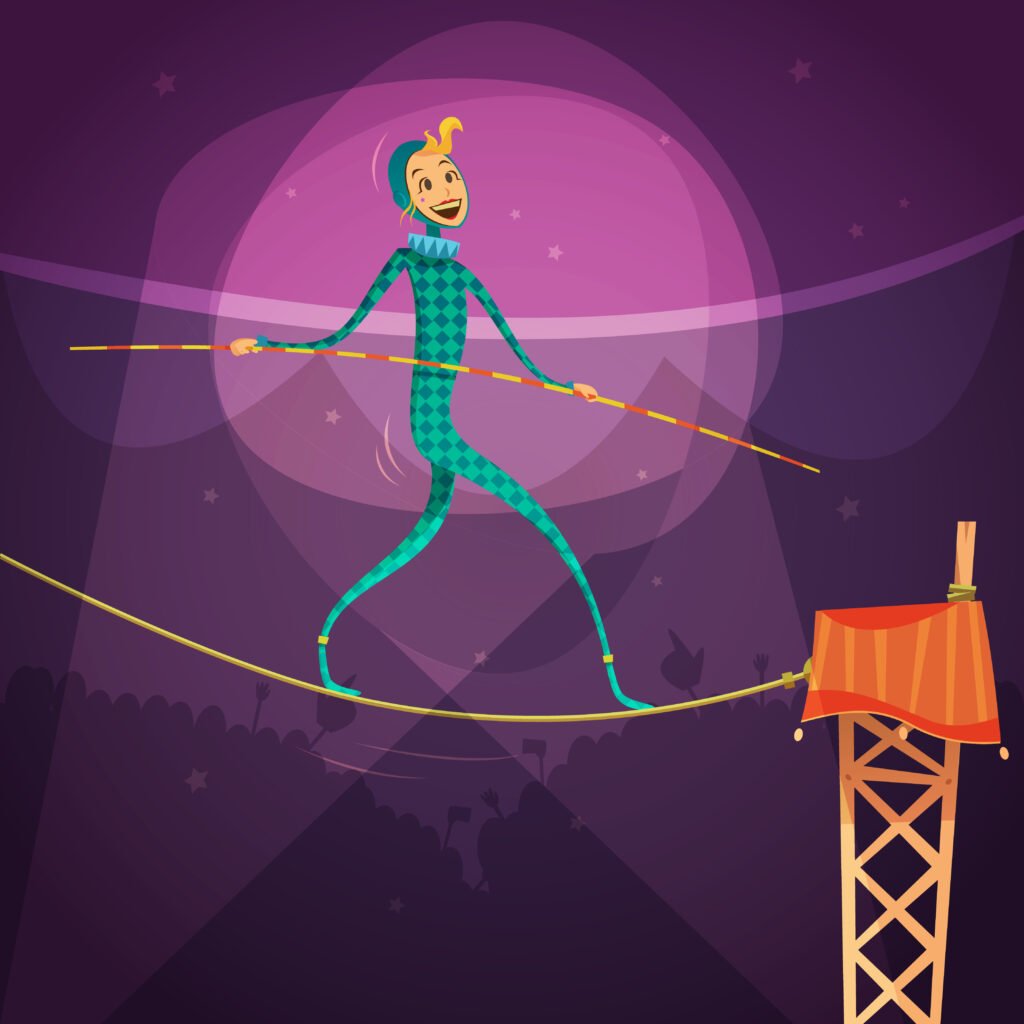
At its core, tightrope walking is an ongoing conversation between the body and physics. The performer must constantly adjust their center of gravity, using tiny movements of the feet, arms, and torso to stay upright. Even a slight miscalculation can shift weight enough to cause a fall.
What makes this art so fascinating is how it turns complex scientific principles into something visually graceful. The rope itself moves, responding to every step. A skilled walker anticipates these movements, using momentum and counterbalance to stay steady. Over time, muscle memory develops, allowing the performer to react almost instinctively to changes.
Understanding these principles is part of what makes encyclopedic explanations so helpful. When readers encounter tightrope britannica, they are not just learning about an art form; they are gaining insight into how the human body can adapt to extreme challenges through training and awareness.
From street performances to grand stages
In many cultures, rope walking began as a street or festival performance. Crowds gathered around simple setups where performers amazed them with their courage. These early shows were intimate and direct, often accompanied by music or storytelling that connected the act to local traditions.
As entertainment venues grew larger, the art found a home in theaters and circuses. The rise of the modern circus in the nineteenth century gave tightrope walking a global platform. Performers traveled from country to country, sharing techniques and competing to create more impressive routines.
Today, this tradition continues in both classical circuses and contemporary performance art. Modern productions often combine rope walking with dance, lighting, and narrative, transforming a simple balancing act into a full theatrical experience. Knowledge sources like tightrope Britannica help audiences understand how these modern interpretations connect back to centuries-old traditions.
Training, discipline, and mental strength
What audiences rarely see is the years of preparation behind every smooth step. Tightrope walking requires far more than physical fitness. It demands intense mental focus, emotional control, and the ability to remain calm under pressure.
Performers train on low ropes before gradually increasing height. They practice falling safely, learning how to let go without injury. Over time, their bodies adapt to the constant micro-adjustments required to stay balanced. This training builds not only muscle strength but also confidence.
Reading about these processes in the Britannica reveals how disciplined the art truly is. It becomes clear that what looks effortless on stage is the result of thousands of hours of careful practice and self-control.
Cultural symbolism and artistic meaning
Beyond technique, tightrope walking carries deep symbolic meaning. Across cultures, it has represented the human struggle to find balance in life. Walking between two points on a narrow line can symbolize navigating between opposing forces such as risk and safety, chaos and order, or fear and courage.
Artists and writers have often used rope walking as a metaphor for the human condition. The idea of standing above uncertainty while moving forward step by step resonates with people in many walks of life. This is one reason the art has remained relevant for so long.
By preserving these interpretations, tightrope britannica does more than describe physical movement. It records how societies have understood and reimagined the act as a reflection of their own hopes and challenges.
The influence of modern technology
Technology has transformed how tightrope walking is performed and presented. Advances in materials have made ropes stronger and more flexible. Safety harnesses and nets allow performers to attempt more daring routines without unnecessary risk.
Lighting, sound, and camera technology also play a role in how audiences experience the art. High-definition broadcasts and online videos have brought performances to people who might never visit a live show. This digital reach has introduced new generations to a tradition that might otherwise have seemed distant.
Even with all this innovation, the core of the art remains the same. A person, a rope, and the challenge of balance. That timeless simplicity is part of what keeps people searching for reliable knowledge in sources like tightrope Britannica.
Why authoritative references still matter
In an age of social media and quick videos, it is easy to forget the importance of carefully curated information. Anyone can upload a clip of a daring stunt, but not everyone can explain its history, meaning, and technique. That is where authoritative references continue to play a vital role.
When someone turns to tightrope britannica, they are choosing depth over distraction. They want to understand not just what happened, but how and why it matters. This kind of knowledge supports education, preserves cultural heritage, and inspires future performers.
By grounding the art in a well-researched context, encyclopedic sources ensure that tightrope walking is respected not only as entertainment but as an important part of the global artistic tradition.
A living tradition for future generations
The story of tightrope walking is far from finished. New performers continue to push boundaries, experimenting with height, speed, and creative expression. At the same time, they build on the foundations laid by those who came before them.
As this living tradition evolves, the role of reference works becomes even more important. They provide a stable record of what has been achieved, allowing future artists to learn, adapt, and innovate. Through careful documentation, the spirit of the art remains alive across generations.
Platforms such as tightrope britannica serve as bridges between past and future, ensuring that even as techniques change, the core values of balance, discipline, and courage are never forgotten.
Conclusion
Tightrope walking is more than a spectacle of bravery. It is a complex art form shaped by history, science, and human creativity. From its ancient roots to its modern expressions, it continues to inspire people who see in it a reflection of their own struggles and triumphs.
By offering structured, reliable, and insightful knowledge, Tightrope Britannica plays a crucial role in keeping this tradition alive and understood. It reminds us that behind every daring step on a narrow rope lies a story of dedication, culture, and the timeless human desire to find balance in an uncertain world.
Also Read: VoIP Number — A Powerful and Positive Solution for Modern Communication